The Silent Monasteries and Timber Shelters of the Dolomites
How five centuries of alpine carpenters, hermit monks, and austere topography built sanctuaries that outlive generations.
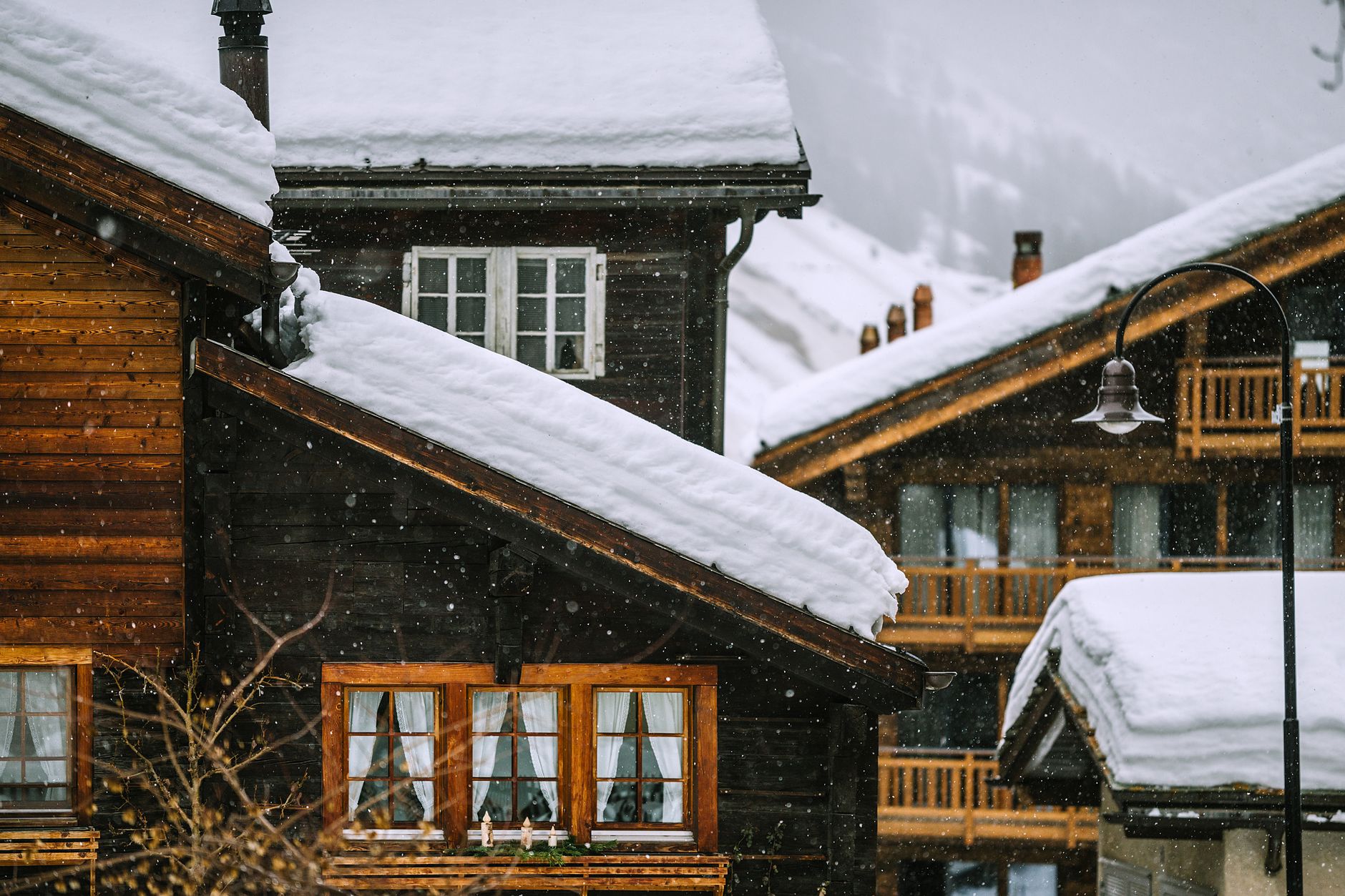
To stand beneath the northern limestone wall of the Val di Funes in late October is to confront silence on an elemental scale. When the summer hiking caravans disperse and the larch trees turn to pale incandescent amber, the high valleys return to their ancestral rhythm. It is here that one encounters the historic timber cabins known as Stadel and the austere Franciscan chapels that have perched on these granite crags since 1540.
Unlike contemporary architectural interventions that boast of dominating their landscapes, alpine shelter in the Dolomites was always an exercise in humility. The larch beams were felled only during specific lunar intervals in midwinter when sap was lowest. This prevented internal rotting and ensured that without chemical sealants or synthetic coatings, the wood would gently oxidise into a silver-grey armor against blizzard winds.
The Grammar of Vernacular Joinery
Entering the refectory of the Santa Magdalena sanctuary, the first physical sensation is the subtle aroma of aged resin and beeswax. There are no iron fasteners holding the primary roof rafters; instead, master carpenters used interlocking mortise-and-tenon joints secured with dried oak pegs. Because timber expands in humid summer rains and contracts during sub-zero winters, these flexible joinery systems breathe with the climate.
“A structure built without understanding the winter wind will scream every night. When built with reverence for the slope, it will sleep with the mountain.”— Father Anselm, Benedictine archivist
This architectural wisdom translates into acoustic serenity. Inside these thick double-walled log construction shells, outside howling winds of 90 kilometers per hour are muffled down to a distant whisper. For the modern traveler seeking an environment to contemplate, study, or rest a fragmented mind, such sanctuaries represent a masterclass in restorative interior spatial design.
Traveling with Contemplative Intent
When visiting these valley settlements today, the journey should not be treated as a photogenic checklist. We recommend staying at least four nights in the village of San Cassiano or Badia. Rise before the dawn light touches the Rosengarten peak, walk the stone trails while the morning frost is still undisturbed, and listen to the wooden bell towers marking each quarter-hour across the valley.