In Search of Forgotten Wild Herbal Traditions in Crete
How mountain shepherds and herbalists in the White Mountains preserve a botanical wisdom that dates to the Minoan era.
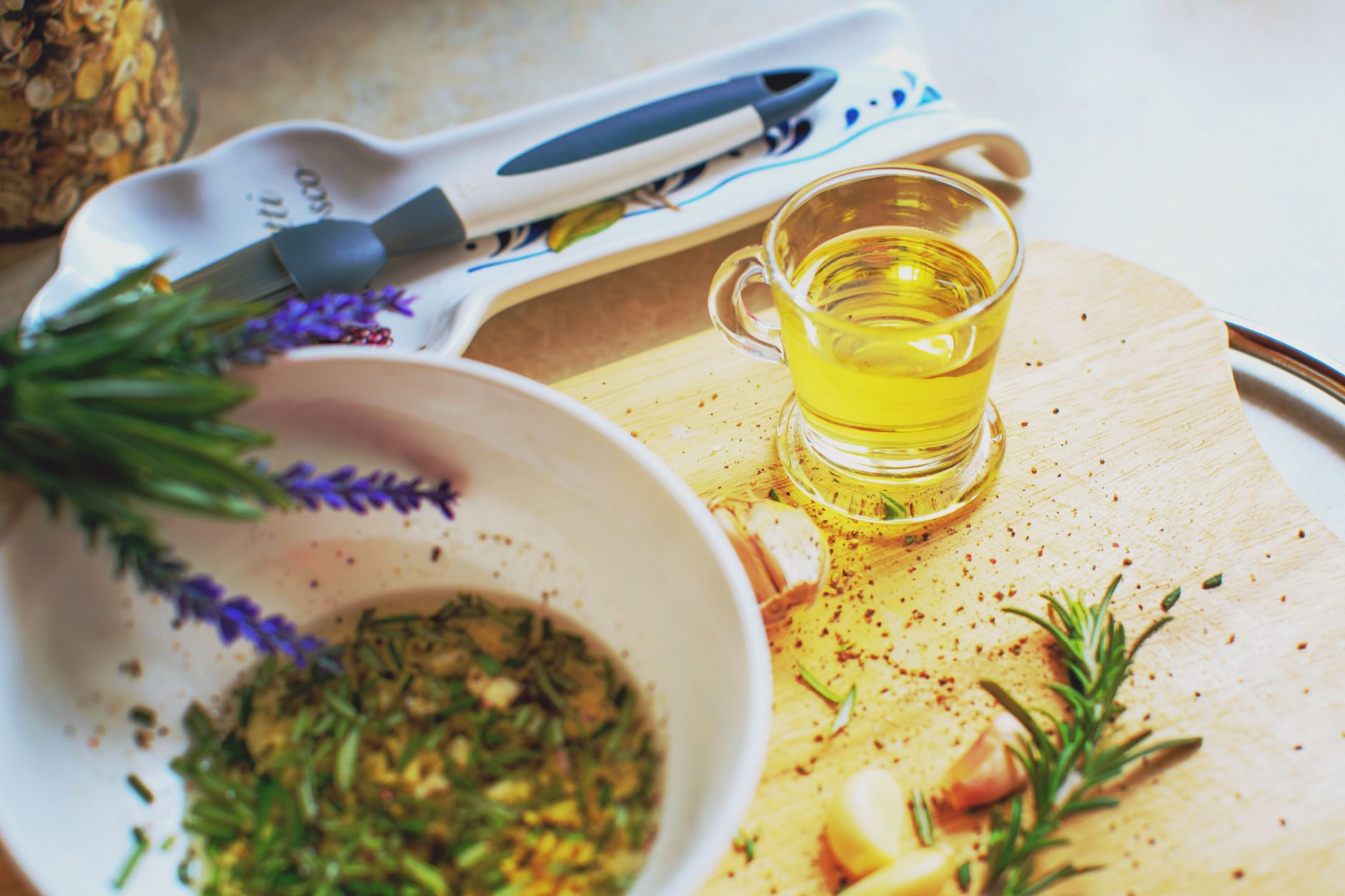
High above the plateau of Omalos, where dry air carries the pungent scent of sunbaked rock and wild thyme, eighty-two-year-old Nikos Vardoulakis stoops to inspect a cluster of grey-green serrated leaves. “This is malotira,” he explains, holding the mountain sage with reverence. “It only drinks rain water and morning fog off the Aegean. It cannot be tamed by automated irrigation.”
For centuries, the Cretan diet was celebrated not for lavish banquet delicacies, but for an encyclopedic understanding of wild endemic vegetation known collectively as chorta. In these arid limestone gorges, over eighty species of edible wild greens are harvested according to the micro-seasons of winter and spring, then dressed simply with cold-pressed stone-milled olive oil and wild lemons.
The Living Botany of the Gorges
In contemporary haute cuisine, fermentation and botanical foraging are frequently marketed as novel culinary inventions. Yet in Cretan mountain villages like Anogeia or Theriso, preserving wild dandelion roots in brine or steeping dittany leaves for digestive elixirs has been continuous practice since Homeric times.
The ritual of harvesting requires deep ethical discretion. Foragers never yank the root system from the thin pocket of soil; they slice the stem at the crown with a curved knife, allowing the plant to regenerate with the subsequent season's precipitation. It is a philosophy of measured harvesting that stands in direct opposition to industrial extraction.
“When you take only what the hill allows, the hill feeds your grandchildren. Greed makes the earth barren before the season ends.”— Sofia Manousaka, Village Herbalist
The Table as Communion
To eat in these villages is to unlearn hurry. A meal begins not with printed menus, but with what was gathered that morning: bitter stamnagathi sautéed with sea salt, warm sourdough baked in communal wood-fired ovens, and mild sheep’s milk graviera cheese aged in mountain caves. The dining table becomes an intimate archive of local geography.